The City of Lake Worth Beach issued an Invitation to Negotiate on May 11 for the second floor of the historic Casino building, signaling the city's intent to redevelop a long-vacant upper level inside one of Palm Beach County's most recognizable waterfront landmarks. WFLX coverage details the timeline: proposal submissions are due June 25, with site visits already underway through May and early June.

The ITN is structured to allow a wide range of uses. The city is not prescribing a single category — the document invites pitches for restaurants, event venues, lounges, hospitality concepts, or mixed-use combinations. The breadth reflects the building's underlying mixed-use zoning and the city's read that the upper level can support multiple operators or a single anchor tenant depending on the strength of the submissions.
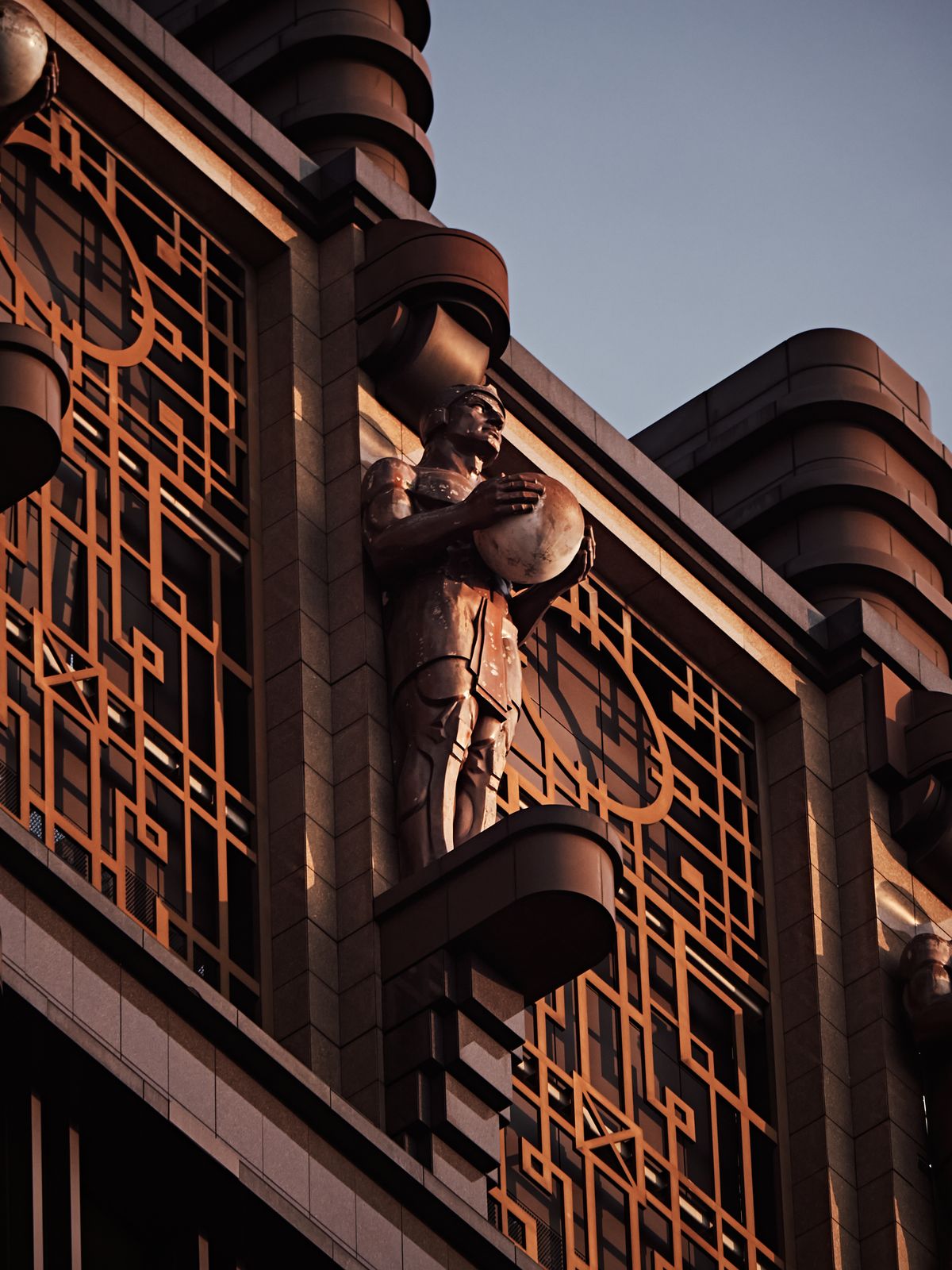
Art deco building facade with stylized geometric detailing
The Casino building's art-deco facade dates to a 1947 reconstruction — credit Pixabay via Pexels

Two distinct spaces sit inside the ITN. The first is a roughly 3,000-square-foot ballroom with wrap-around terraces and direct ocean views to the east. The second is a 5,000-square-foot unfinished area on the same floor that the winning bidder would build out at their own expense per the city's tenant-improvement framework. The ground floor of the Casino remains operational with the existing restaurants and event spaces; the ITN covers only the upper level.

The Building's Coastal History Sets the Constraints

The Casino building has stood on Lake Worth Beach since 1922, when the original wood-frame structure opened as a public bathing pavilion. REG Architects' project history notes that the building was reconstructed in 1947 as the concrete art-deco structure standing today; a 2013 renovation modernized the ground-floor restaurants and event spaces but left the second floor largely unfinished pending a future programming decision.
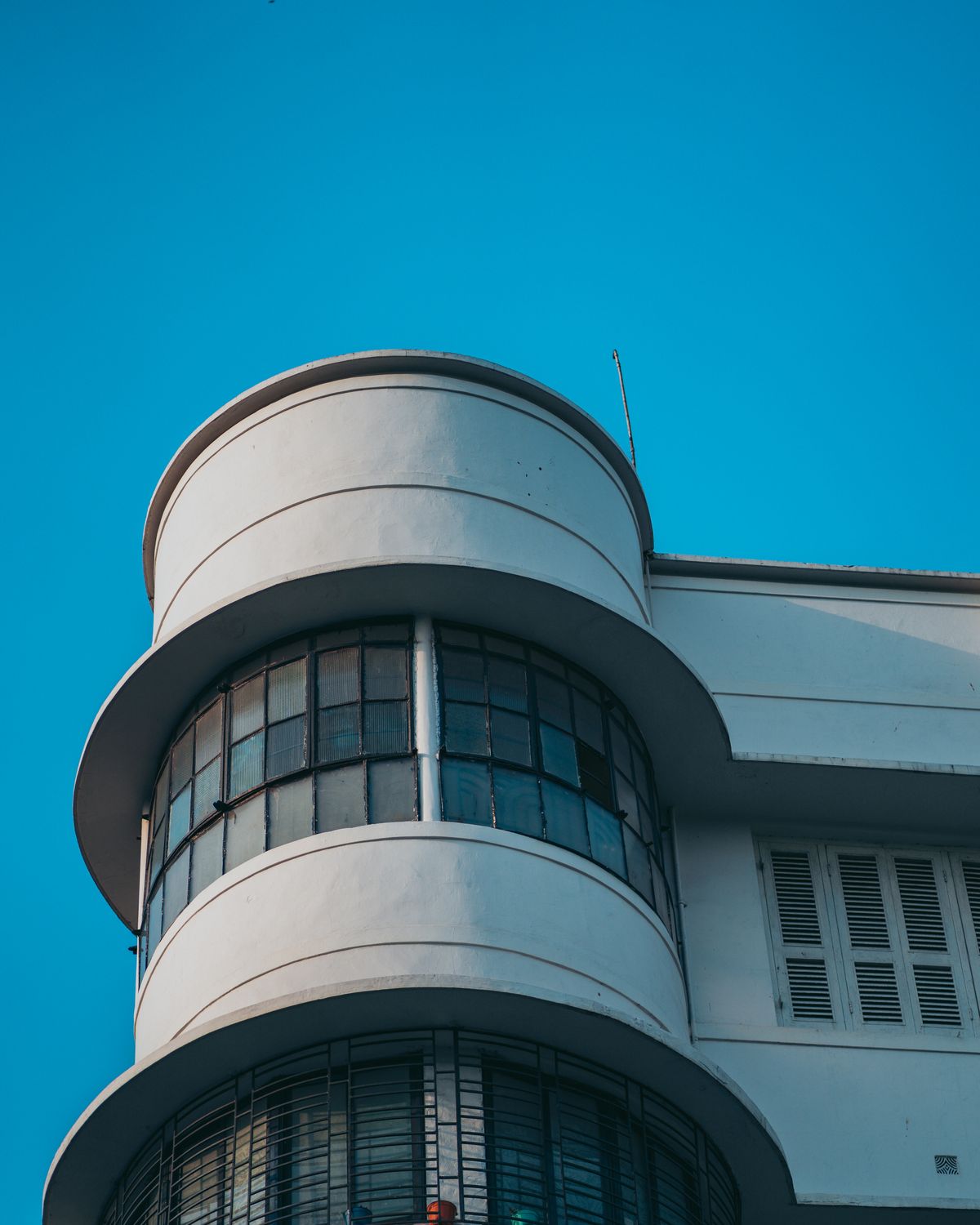
Open-air terrace with ocean view
Ocean-facing terraces wrap the 3,000-square-foot upper-floor ballroom — credit Charles Parker via Pexels

The historic-preservation framework is the constraint that shapes what the next operator can do. The building's deco facade, the tile work along the ground-floor arcade, and the wrap-around terraces on the second floor are all subject to preservation review through the city's Historic Resources Preservation Board. The bidders' designs need to clear that review in addition to the city's tenant-improvement permitting; structural changes to the terrace railings, exterior signage, and roof penetrations all sit in scope for the board.

The ocean exposure is the second constraint. The Casino sits about 75 feet from the high-tide line, which puts the building inside FEMA's V-zone for storm surge and triggers the raised-base structural standards that any new HVAC, kitchen equipment, or interior partitions need to meet. The 2013 renovation already addressed the ground floor's compliance; the second floor's build-out adds the same set of upgrades on top of whatever interior layout the winning bidder proposes.

What the Bid Window Looks Like

The June 25 submission deadline is tight by municipal RFP standards — six weeks from the May 11 release. The city's procurement office has framed the timeline as deliberate: the goal is to keep the building active commercially while preservation review is moving in parallel, and a longer bid window risks losing operators who would otherwise commit to a 2026 build-out and a 2027 opening.

Site visits are coordinated through the city's economic development office. Interested bidders sign a non-disclosure agreement, schedule a walkthrough, and receive a tenant-improvement package that includes the as-built drawings, the preservation review checklist, and the city's standard lease terms. The lease length and the rent structure are open for negotiation through the ITN — the city has signaled a preference for revenue-share arrangements over flat lease rates, particularly for restaurant or event-venue operators whose performance would be most affected by the building's seasonal traffic patterns.

The city's longer-term goal for the Casino is straightforward: keep the building visibly active year-round, generate rent and revenue-share income that funds preservation maintenance, and avoid the long-vacancy pattern that has hollowed out other coastal Casino buildings along the eastern seaboard. The 2nd-floor decision is the largest activation step the city has taken on the building since the 2013 renovation; the bid winner's identity and the proposed use will reshape how the Casino programs across the next decade.

Proposals are due to the city's procurement office by 5 p.m. on June 25. A consultant review follows the submission window, and the city's economic development office expects to advance to negotiations with the leading bidder or bidders by late July.